


 This page is regularly updated, please select here to view the latest version.
(August 2026)
A BUTTERFLY BONANZA?
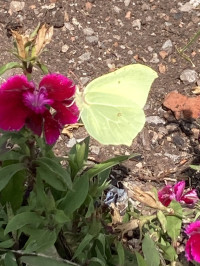
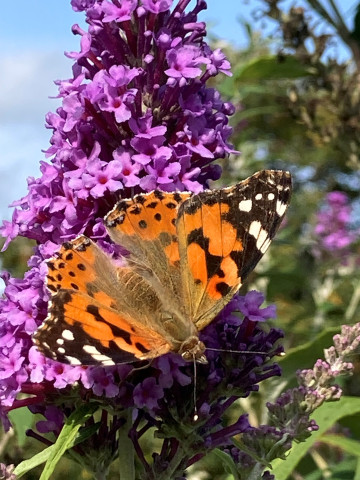
Two contrasting species feasting on flowers at the Rec - Brimstone and Painted Lady
A number of butterflies were reported as having been spotted at the Rec earlier this year. This reflects the national trend following a disastrous year in 2024, and a return to average numbers (in terms of recent populations) in 2025. But the overall picture everywhere, is one of ongoing decline, due to habitat loss, severe fluctuating weather conditions and the widespread use of pesticides. The pattern of loss is varied, with those butterflies requiring specific habitats usually faring worse than generalists such as the species seen at the Rec.
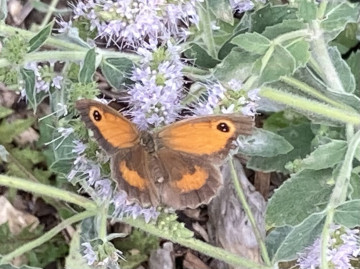
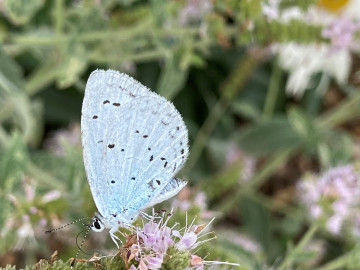
Gatekeeper and Holly Blue butterflies feeding at the Rec
And we have to bear in mind that what we perceive to be 'normal' depends on our age and experience. Younger people will never have known the car windscreen totally spattered with insects; their expectations of what constitutes a healthy population will therefore be much lower and become the new norm. This is a concept known as Shifting Baseline Syndrome and unless recognised, could lead to far less ambitious targets for Nature recovery.
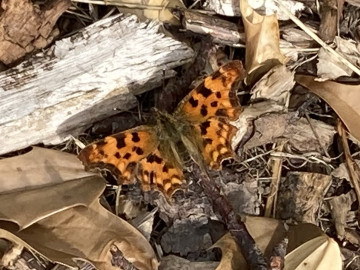
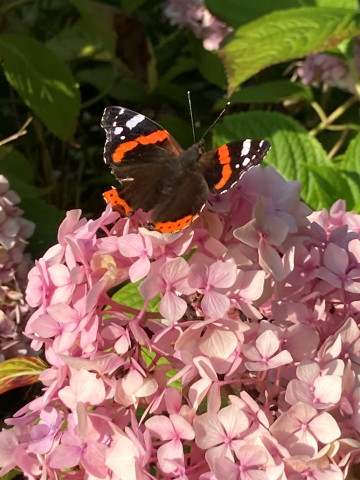
Two more of the many species photographed at the Rec - Comma and Red Admiral
(both love nettles!)
Butterflies are cold-blooded and need the warmth of the sun in order to function. This is why the wet summer of 2024 was so bad for them, depriving them of suitable flying conditions to enable them to feed, seek out a mate and lay their eggs. So, do these extremely hot summers suit them more? Evidence suggests that although there have been reports of healthy numbers earlier in the year, the ongoing drought and intense heat will impact them adversely.
The jury seems out on the extent to which the heat affects the butterflies themselves. Some experts say it results in physiological changes, such as dehydration and impacts on fertility. Butterfly Conservation maintain that most of our butterflies are also found in far hotter countries and as such, have adapted to cope with these conditions by flying at cooler times of the day; whilst seeking out shade in the severest heat. But all are agreed that prolonged periods of drought are devastating for butterflies and their offspring. Butterflies feed on nectar, whilst their caterpillars are reliant on healthy green plants for their survival and growth. During drought plants flower less, produce less nectar and go over very quickly. Eggs and pupae can dehydrate, and with no fresh growth due to dead and dying plants, the caterpillars will starve.
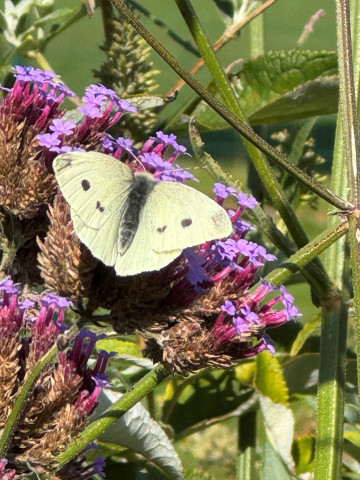
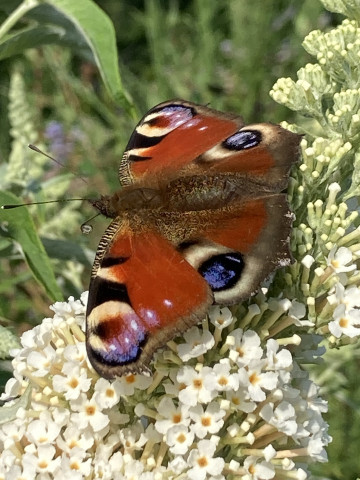
Contrasts: Small White and Peacock butterflies at the Rec
But all is not lost! As you may know already to assist the bees, we can all do our bit to help with the following simple steps:
1. Plant drought tolerant plants that are rich in nectar such as lavender, salvias, sedum and catmint, amongst others that you can find online. They may need watering occasionally, and if so, try to use grey water. The butterflies really won't mind!
2. Plant species to host feeding caterpillars. Nettles are brilliant and a favourite with Red Admirals, Commas. Peacocks (see photos above) and Tortoiseshells. Probably not our first choice, but if you grow them in a pot to restrict their spread, and pop them somewhere sunny, you'll undoubtedly be a caterpillar hero! Other plants include Nasturtiums, Bird's Foot Trefoil, Cuckoo Flower and others in the Brassica family.
A few pieces of overripe fruit coupld be welcome as well.
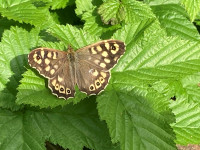
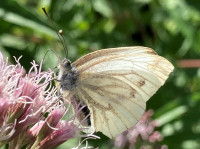
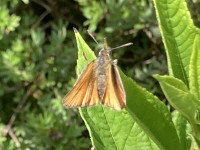
Speckled Wood ~ Green Veined White ~ Essex Skipper
3. If you can, leave some undisturbed areas and patches of longer grass. The caterpillars of a number of species, such as Gatekeepers and Meadow Browns feed on grasses, which is why the resulting butterflies choose to lay their eggs in longer grass.
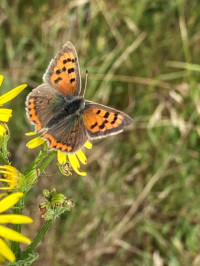
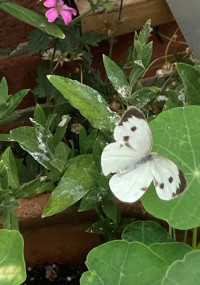
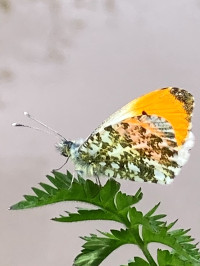
Small Copper ~ Large white ~ Orange Tip
4. Make a puddling station. Butterflies need water with dissolved minerals and salts, for heath and reproduction. They're unable to drink from deep water and rely on shallow puddles or wet sand or soil, to obtain this. We can provide a substitute by filling a shallow dish with sand, soil or a mixture of both, and covering it with just enough water to saturate it. Small stones and gravel that project slightly above the level that's soggy, will provide safe landing spots, from which to drink. Place the saucer in the sun somewhere near the Butterfly food plants, and top up as required. (See Kent Wildlife Trust's website for more advice on hydration for wildlife year-round.)
As you can see, at the Rec we're attracting most of the species we would expect to find in this environment, but not in the numbers we would hope for. However, we can all help within our local area, by adopting some of the measures listed above. After all, the world, and indeed the Rec, would be a much poorer place without these wonderful, bedazzling creatures.
Words and photos by Denise Long
All species spotted at the Rec in the last 3-4 years, also including Meadow Brown (no picture). First eight photos taken onsite; remainder are of species seen at the Rec but photographed elsewhere


Friends of Portswood Rec, Southampton, UK